
In today’s blog post, I would like to introduce you to another column of the column model of TRGS 600 [1]. After the last blog in the series, in which… Continue reading The Column Model – Release behaviour (Part 6)
Tag: Risk assessment
The Column Model – Physico-Chemical Effects (Part 5)
The column model of TRGS 600 [1] as an assistance for the substitution check is already explained in several blog posts. I already introduced the columns dealing with health and… Continue reading The Column Model – Physico-Chemical Effects (Part 5)
The Column Model – Environmental Hazards (Part 4)
If you work with hazardous substances in your company, you have some obligations that are listed in the GefStoffV [1]. For example, you must check substitution possibilities for your hazardous… Continue reading The Column Model – Environmental Hazards (Part 4)
The Column Model – Chronic Health Hazards (Part 3)
Anyone who has followed my blog posts over the last few weeks has certainly noticed that the topic of substitution testing is in focus. In particular, I have already discussed… Continue reading The Column Model – Chronic Health Hazards (Part 3)
The Column Model – Acute Health Hazards (Part 2)

In my last post I introduced the column model of the German TRGS 600 [1] as a tool for substitution testing. In this and the upcoming posts, I would like… Continue reading The Column Model – Acute Health Hazards (Part 2)
The Column Model (Part 1)

In my last blog post, I dealt with the topic of substitution testing of hazardous substances. In that context, I already mentioned the column model from the German TRGS 600… Continue reading The Column Model (Part 1)
Substitution check for hazardous substances
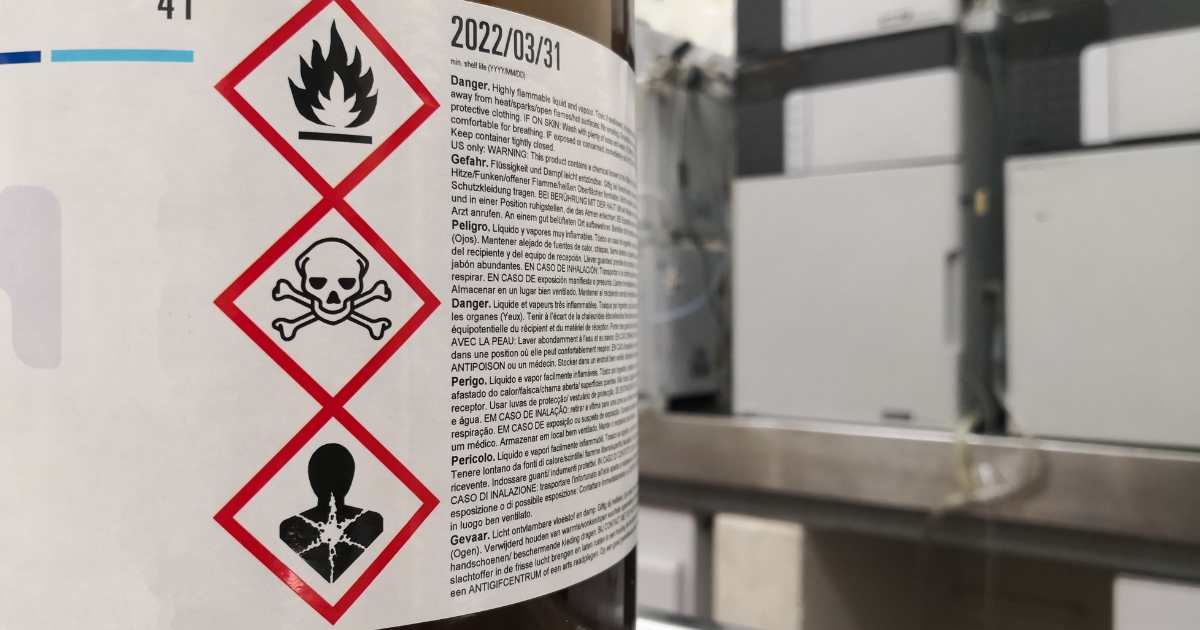
When working with hazardous substances, a company has a number of obligations. For Germany, these obligations are listed in the GefStoffV [1] and include the obligation to carry out a… Continue reading Substitution check for hazardous substances
What determines if a substance is a hazardous substance?
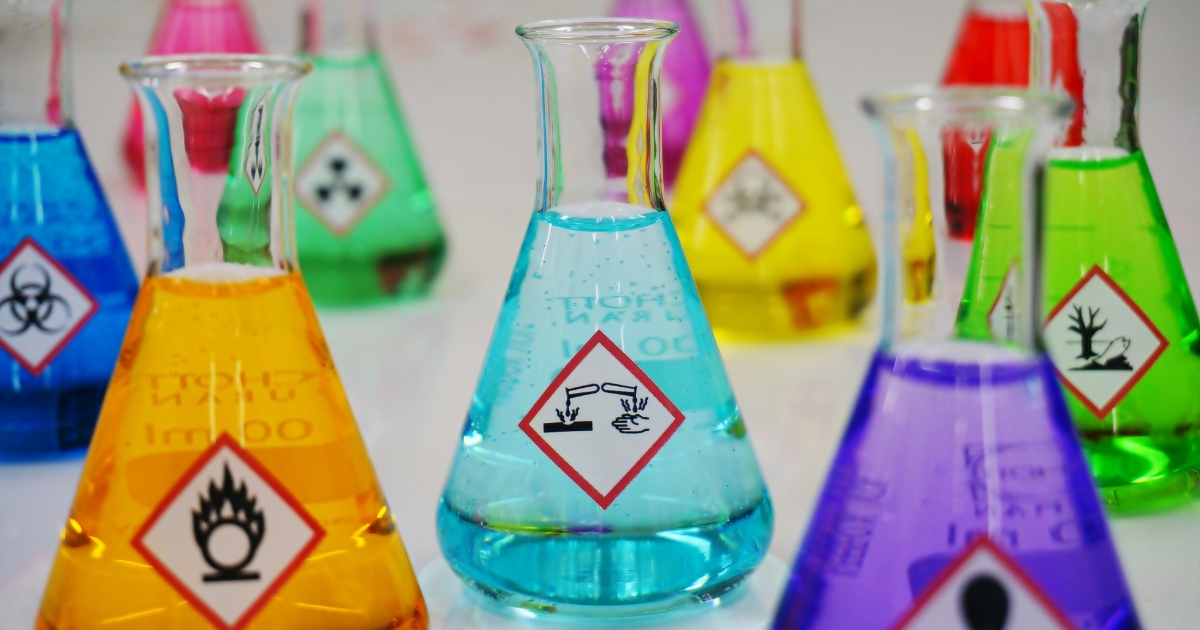
A substance becomes a hazardous substance if … … it is dangerous? In other words, a substance is a hazardous substance when it has been classified and has been labelled?… Continue reading What determines if a substance is a hazardous substance?