

In Section 12 of the safety data sheets, you can frequently encounter phrases such as “log Kow”, “log Pow” or “log pOW” in connection with the bioaccumulation potential. What is… Continue reading What is log Pow? The O/W partition coefficient in SDSs
Category: Hazardous Substance Administration
The Ordinance on Hazardous Substances has been updated. What is new?
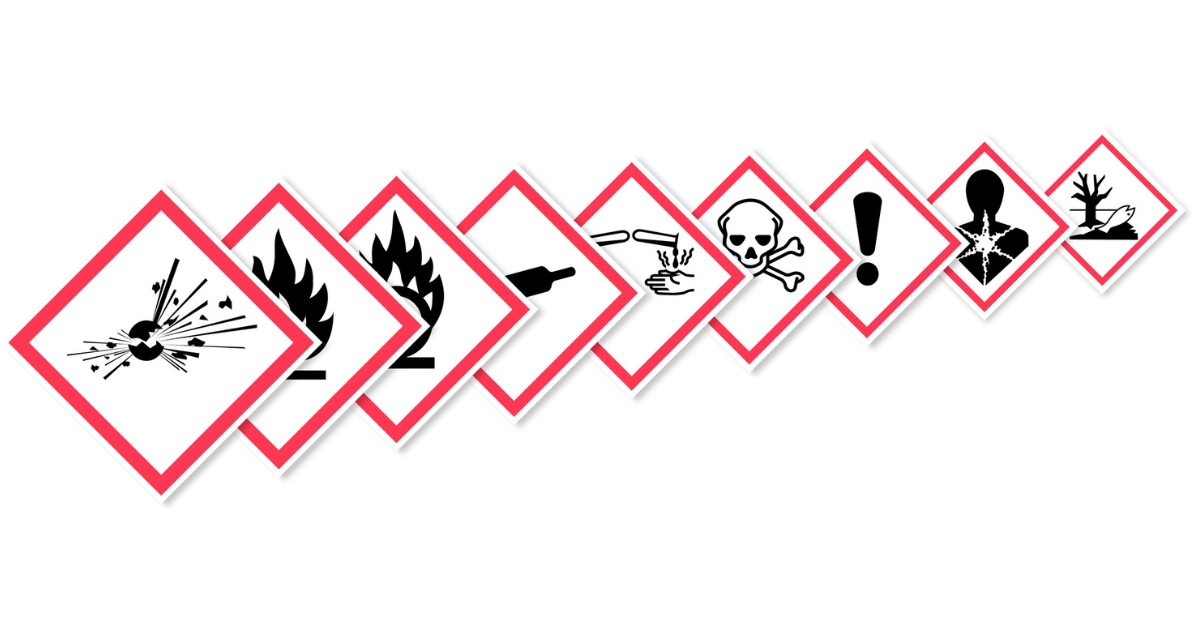
An updated Ordinance on Hazardous Substances (GefStoffV) has been available since November. This update provides continuity with the European Regulation (EC) No. 1272/2008 (CLP) and its designations. The regulation for… Continue reading The Ordinance on Hazardous Substances has been updated. What is new?
Storage class 10-13, is it worthwhile to be specific?

According to the Technical Rules for Hazardous Substances 510 – Storage of hazardous substances in non-stationary containers – it is possible to indicate storage class 10-13. But is it worthwhile… Continue reading Storage class 10-13, is it worthwhile to be specific?
Retention period for safety data sheets

Retention of documents is an important topic, especially in terms of the law on hazardous substances. The REACH Regulation regulates the disclosure of information, also through the use of safety… Continue reading Retention period for safety data sheets
Penetration and wearing time for protective gloves

Penetration time and wearing time are generally not the same. What is the difference and what is the maximum length of time protective gloves should be worn? Penetration time Section… Continue reading Penetration and wearing time for protective gloves
Dust limit values, the difference between “E” and “A” dust fractions

In occupational health and safety and when working with hazardous substances, terms like smoke, dust, “E” dust or “A” dust are often mentioned. These terms are clearly defined in the… Continue reading Dust limit values, the difference between “E” and “A” dust fractions
When is a safety data sheet up-to-date?
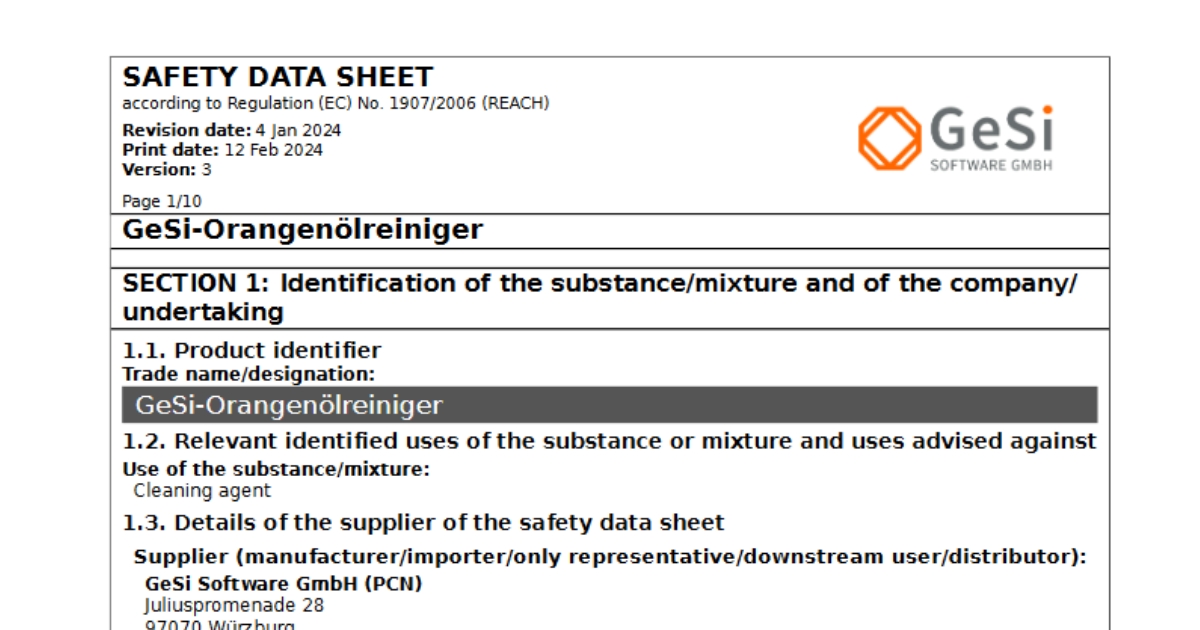
The use and format of safety data sheets (SDS) is specified in the REACH Regulation. It is important to know if a safety data sheet is required and how often… Continue reading When is a safety data sheet up-to-date?
What does DNEL and PNEC stand for?

DNEL and PNEC values can increasingly be found in safety data sheets. What then distinguishes these values from occupational exposure limit values (OELVs) and biological limit values (BLVs)? In contrast… Continue reading What does DNEL and PNEC stand for?
STOT – the new hazard category by GHS classification

While many people have a clear understanding of acutely toxic substances – the more toxic the deadlier – it can be harder to grasp the meaning of STOT. Let’s start… Continue reading STOT – the new hazard category by GHS classification