
In today’s blog post, I would like to introduce you to another column of the column model of TRGS 600 [1]. After the last blog in the series, in which… Continue reading The Column Model – Release behaviour (Part 6)
Author: usermind
PCN and SDS creation go hand in hand
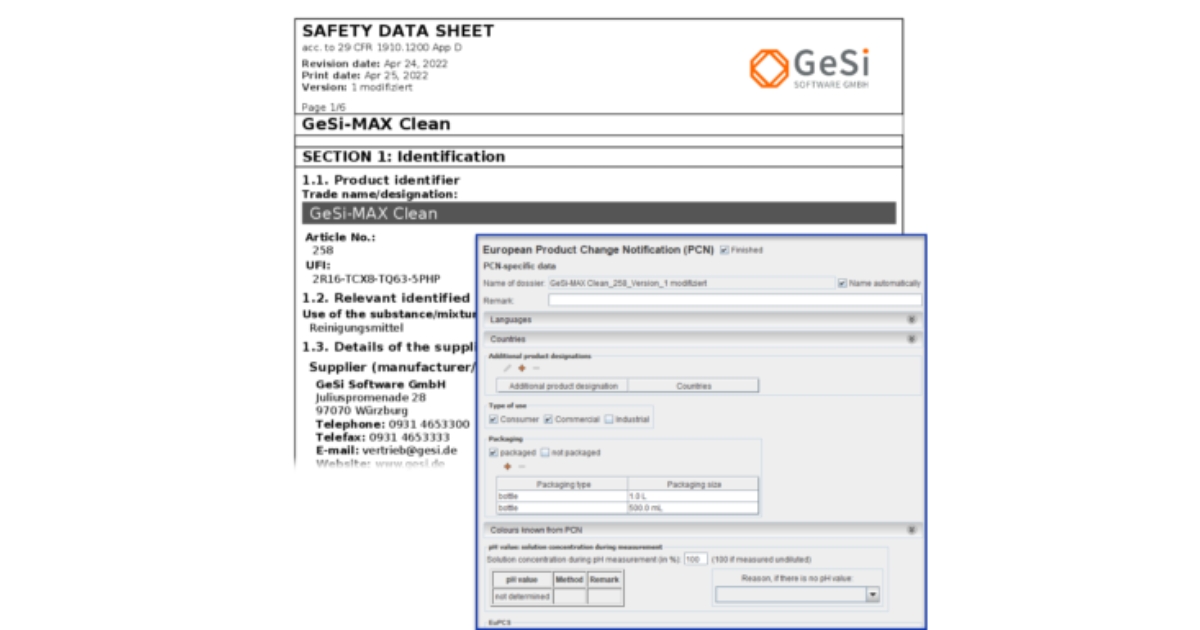
Both the European Product Notification (PCN) and the Safety Data Sheet (SDS) provide information on hazards of dangerous substances. But they do this with different objectives. Nevertheless, there are many… Continue reading PCN and SDS creation go hand in hand
PCN- und SDB-Erstellung gehen Hand in Hand
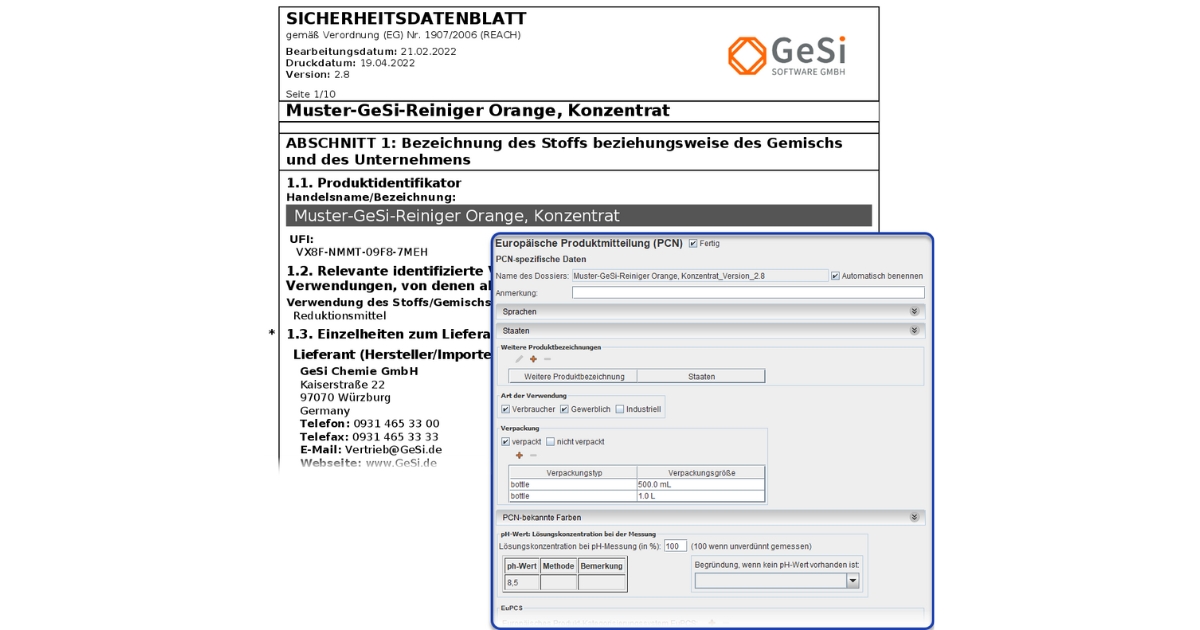
Sowohl die europäische Produktmitteilung (PCN) als auch das Sicherheitsdatenblatt (SDB) informieren über Gefahren von Gefahrstoffen, aber mit unterschiedlichen Zielen. Trotzdem gibt es viele Gemeinsamkeiten, weswegen die PCN- und SDB-Erstellung gut… Continue reading PCN- und SDB-Erstellung gehen Hand in Hand
Das Spaltenmodell – Physikalisch-chemische Einwirkungen (Teil 5)
Das Spaltenmodell der TRGS 600 [1] als Hilfe für die Substitutionsprüfung habe ich Ihnen nun bereits in einigen Blog-Beiträgen vorgestellt. Nach den Spalten, die sich mit den Gesundheits- bzw. Umweltgefahren… Continue reading Das Spaltenmodell – Physikalisch-chemische Einwirkungen (Teil 5)
The Column Model – Physico-Chemical Effects (Part 5)
The column model of TRGS 600 [1] as an assistance for the substitution check is already explained in several blog posts. I already introduced the columns dealing with health and… Continue reading The Column Model – Physico-Chemical Effects (Part 5)
What are Persistent Organic Pollutants (POPs)?

The term Persistent Organic Pollutants (POPs) has a very crucial role for a specific jurisdiction: the substances concerned are very critical for health and the environment on a global scale… Continue reading What are Persistent Organic Pollutants (POPs)?
Was sind Persistente organische Schadstoffe (POP)?
Der Begriff Persistente Organische Schadstoffe (POP) hat für eine bestimmte Rechtsprechung eine ganz entscheidende Rolle: Die betroffenen Stoffe sind aus unterschiedlichen Gründen sehr kritisch für die Gesundheit und Umwelt auf… Continue reading Was sind Persistente organische Schadstoffe (POP)?
Das Spaltenmodell – Umweltgefahren (Teil 4)
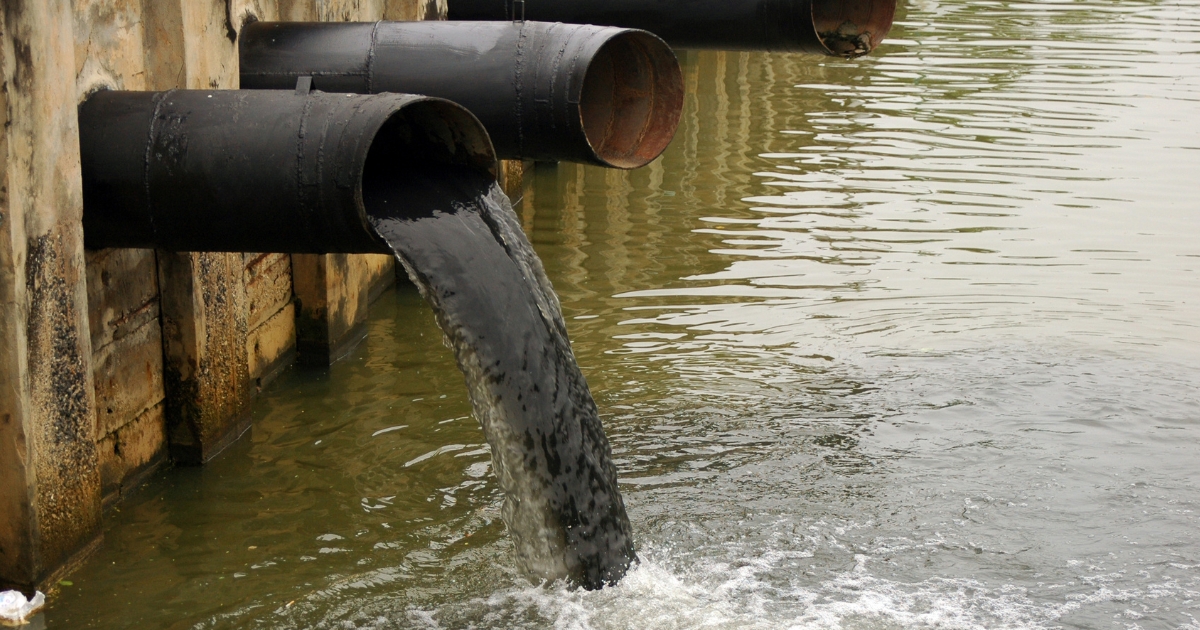
Wenn Sie in Ihrem Betrieb mit Gefahrstoffen arbeiten, haben Sie einige Verpflichtungen, die in der GefStoffV [1] aufgeführt sind. So müssen Sie zum Beispiel auf Substitutionsmöglichkeiten für Ihre Gefahrstoffe prüfen.… Continue reading Das Spaltenmodell – Umweltgefahren (Teil 4)
The Column Model – Environmental Hazards (Part 4)
If you work with hazardous substances in your company, you have some obligations that are listed in the GefStoffV [1]. For example, you must check substitution possibilities for your hazardous… Continue reading The Column Model – Environmental Hazards (Part 4)
Toxicity data for the safety data sheet
Toxicity data for the safety data sheet are not the easiest topic for SDS creation. But toxicity data are not only used and referenced by experts in sections 11 and… Continue reading Toxicity data for the safety data sheet